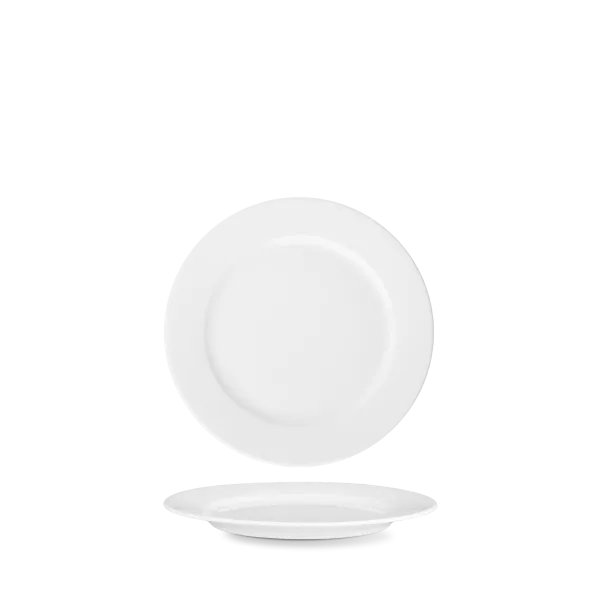

We do not have any more in stock
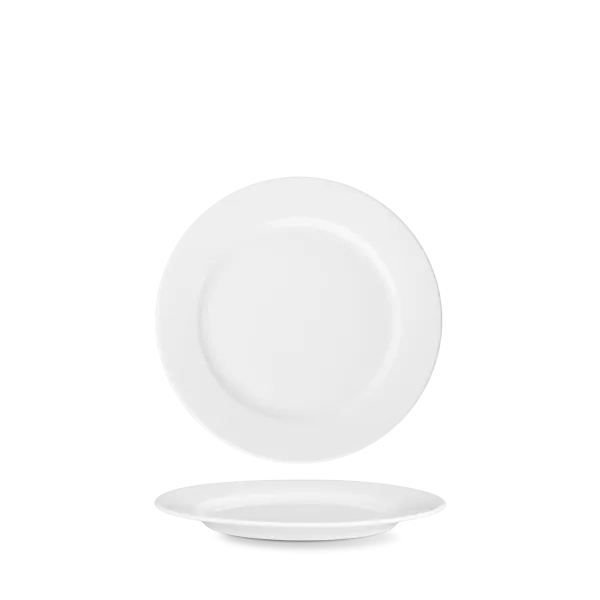
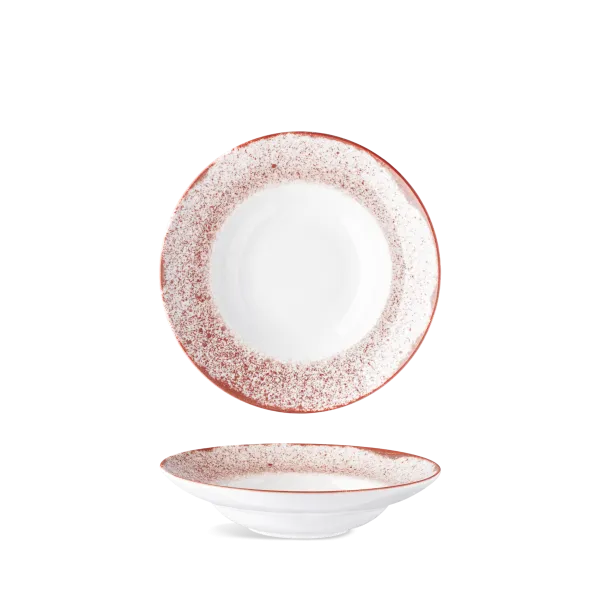
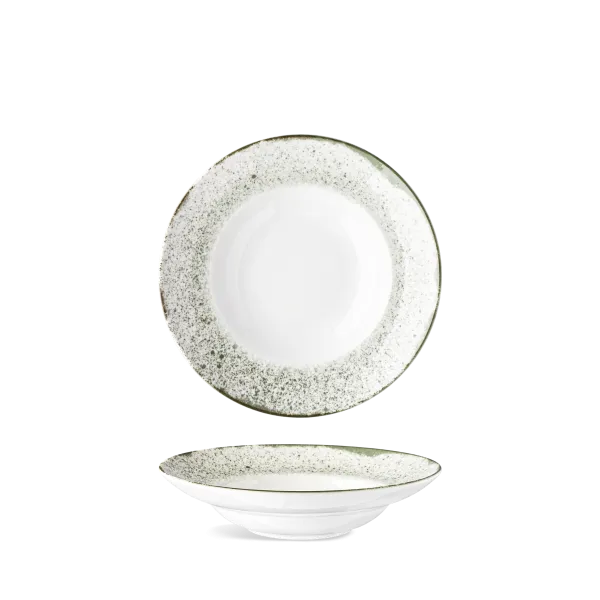
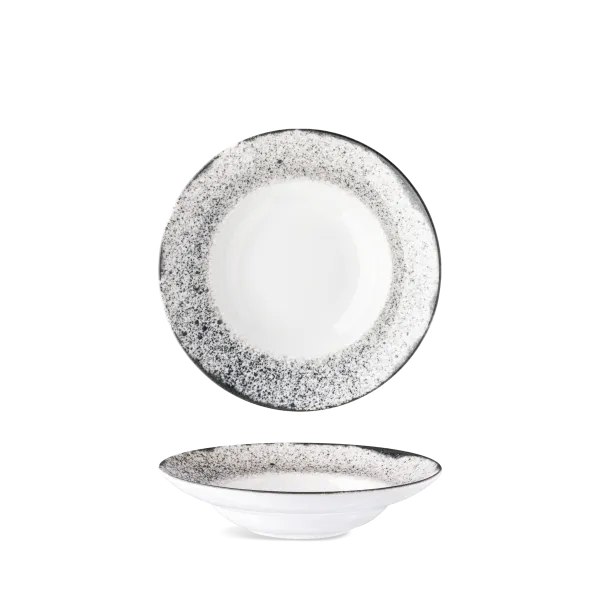
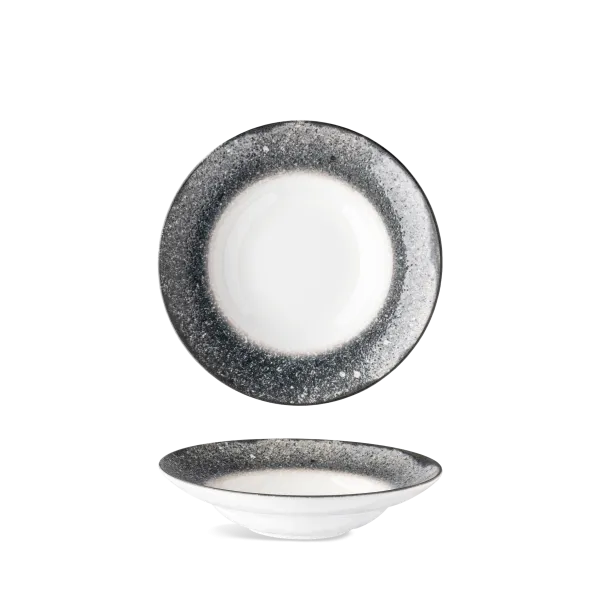
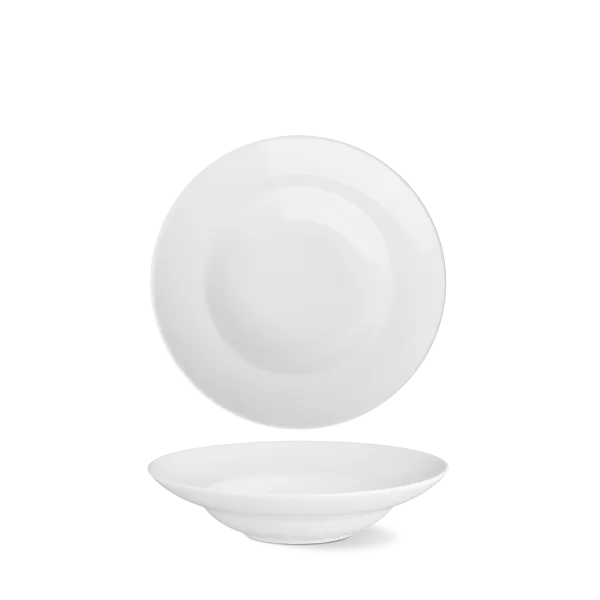
Plate flat 20 cm
BAS21201
7.15 CHF
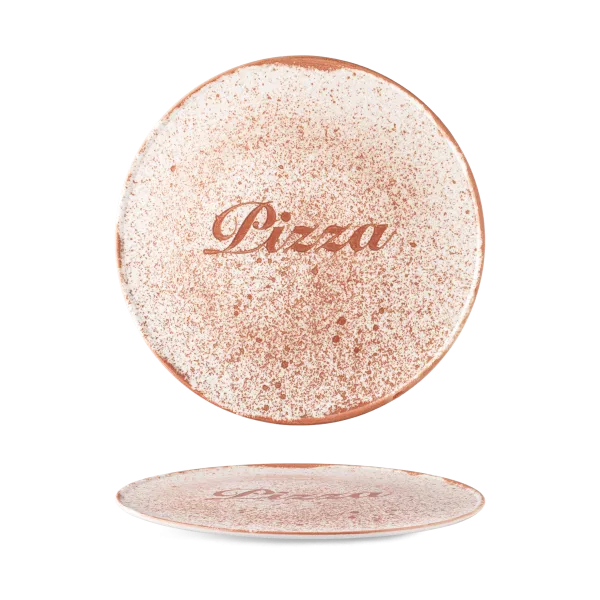
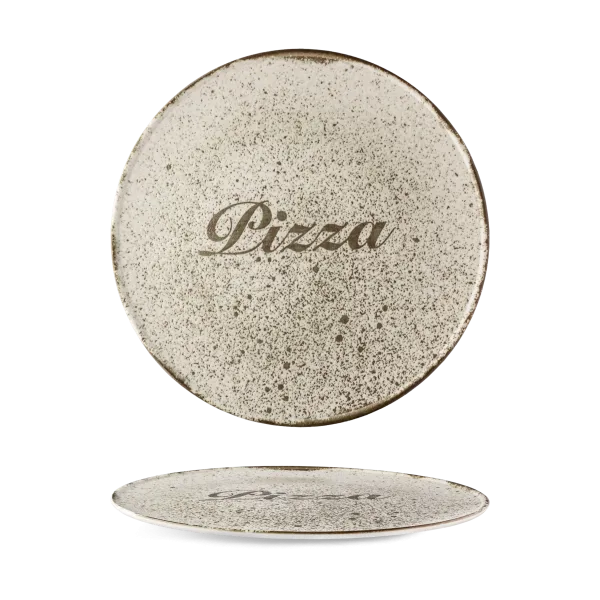
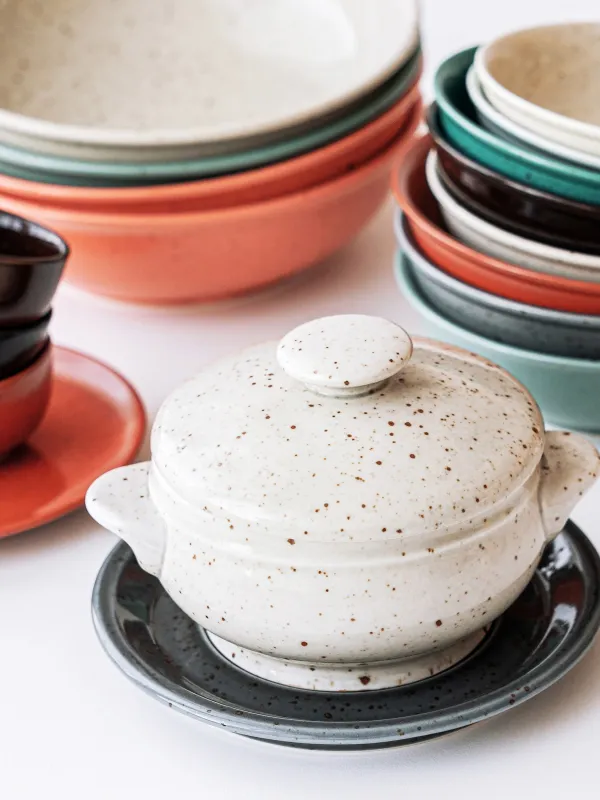
The Basic collection by G. Benedikt combines a hand-finished, textured glaze with a deep, saturated colour, giving each piece an artisanal, one-of-a-kind character. This generously sized 32 cm plate is cut for serving a whole pizza straight from the oven to the table. The coloured glaze is fired for durability and is dishwasher and microwave safe, so it holds its depth of colour wash after wash. A natural fit for pizzerias, casual dining rooms or a pizza night at home.






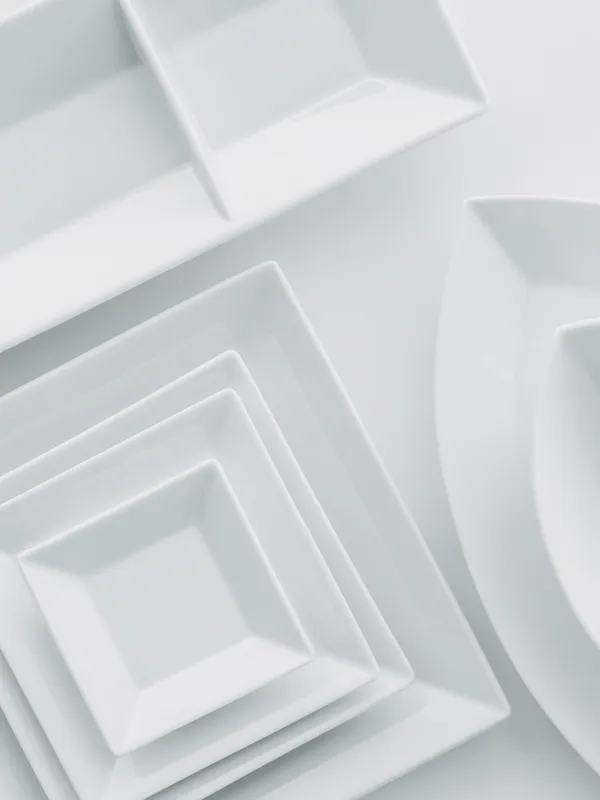
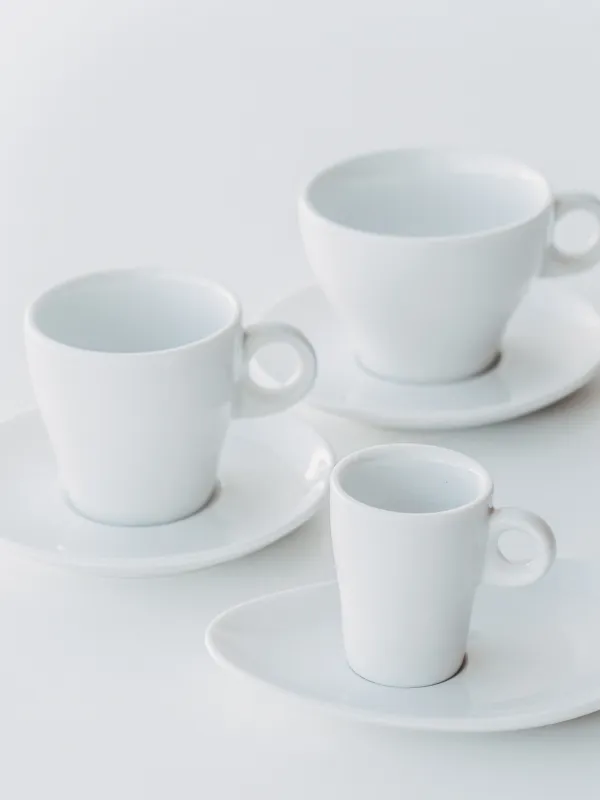
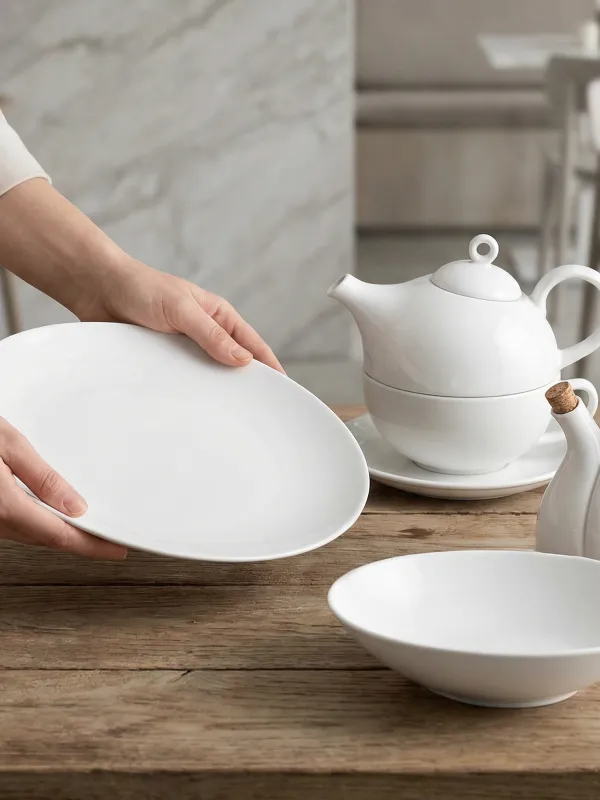
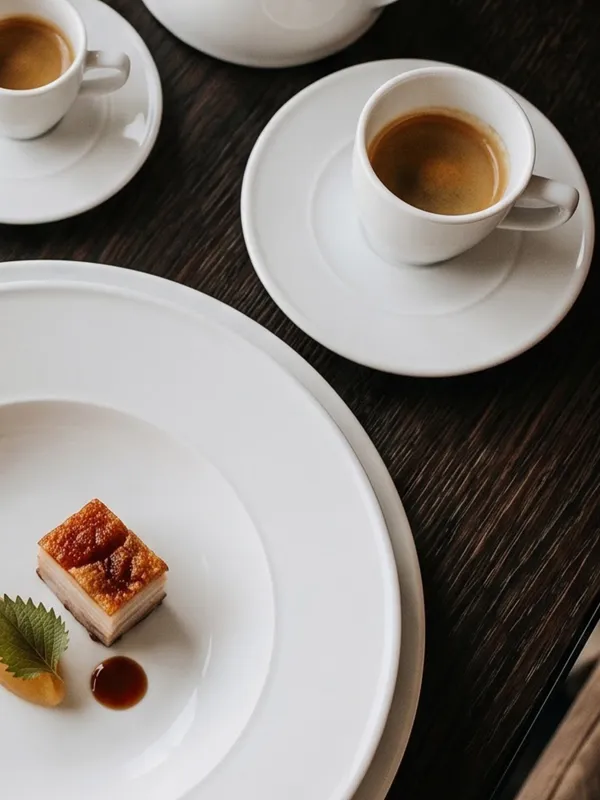
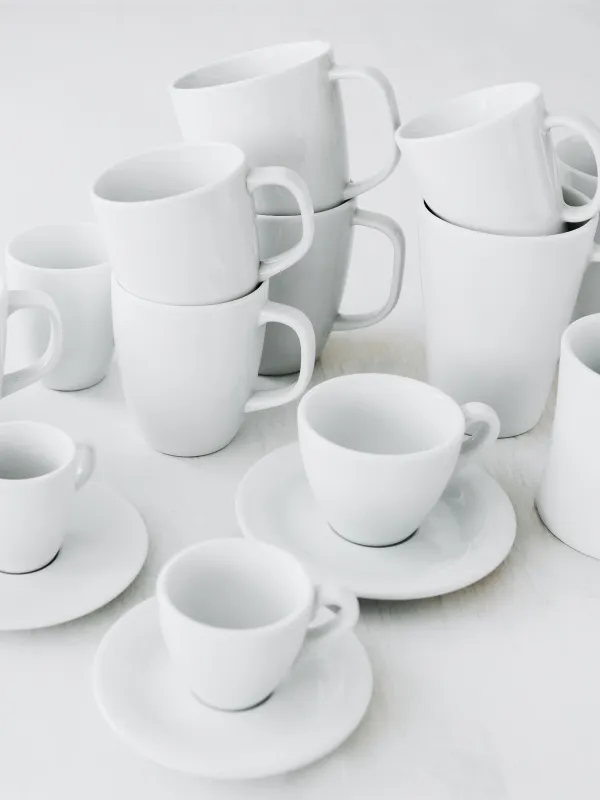
Hard porcelain is created by combining natural raw materials, which fuse at high temperatures to form a compact and exceptionally durable material.
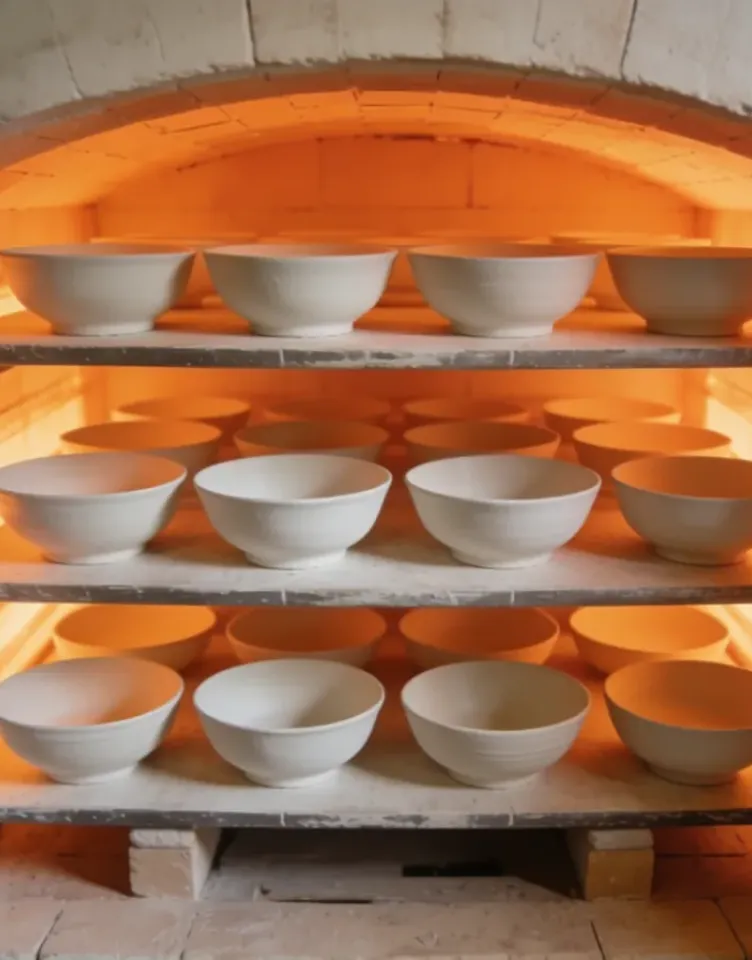
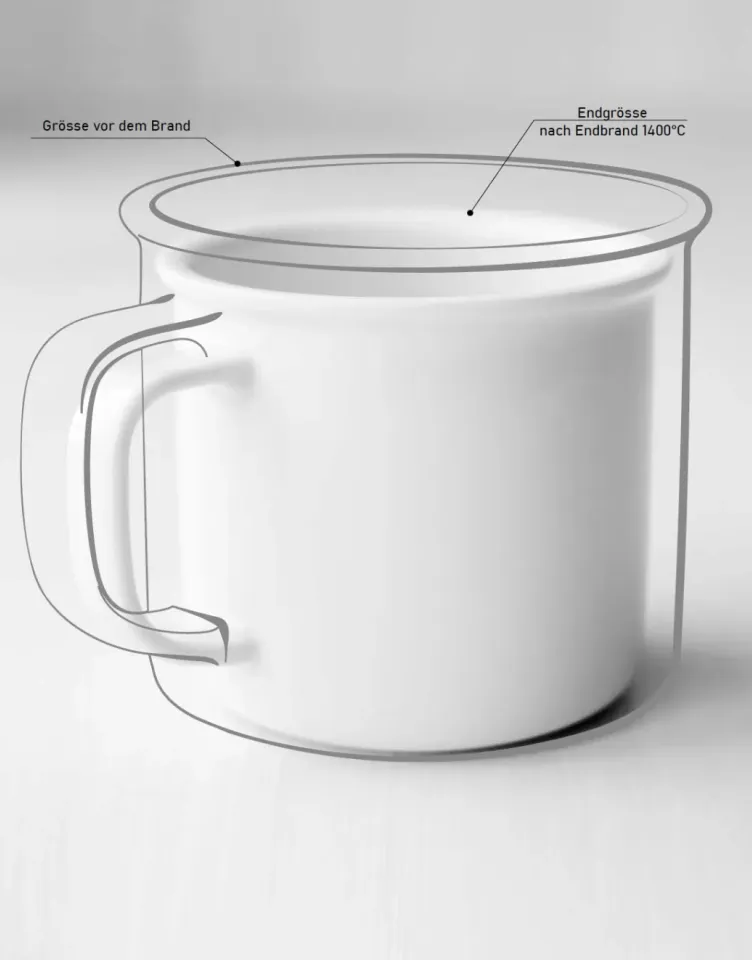
Every porcelain product undergoes two firings—the first stabilizes the shape, and the second, at temperatures of up to 1,400 °C, ensures the final strength and durability.
Hard porcelain has a hardness of approximately 8 on the Mohs scale and is resistant to scratches, temperature changes, and the daily wear and tear of professional use.
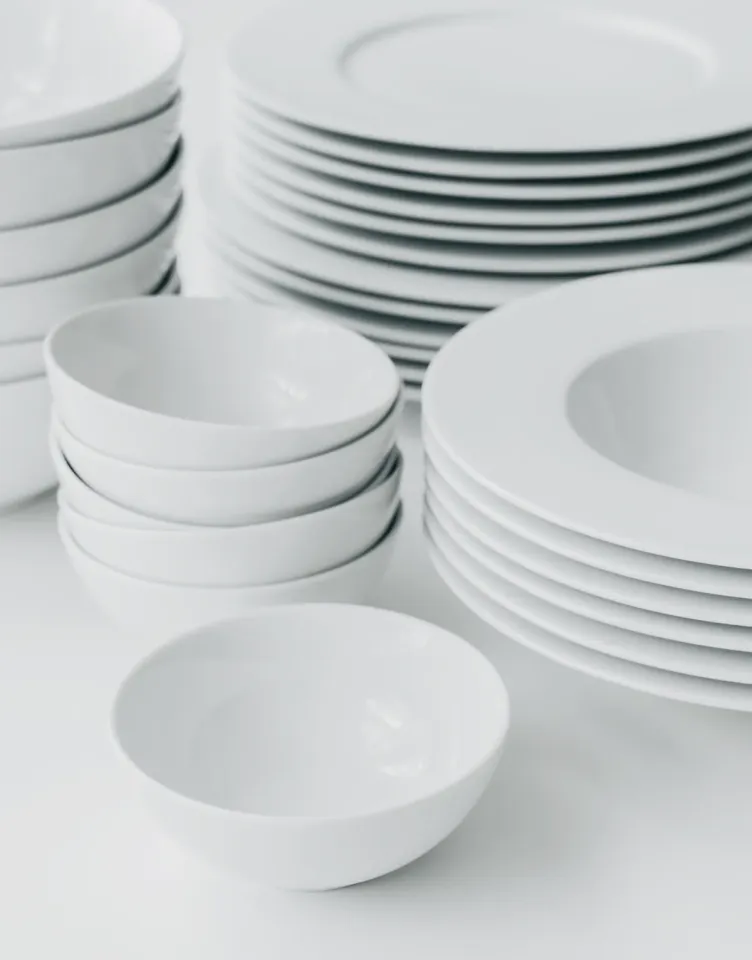
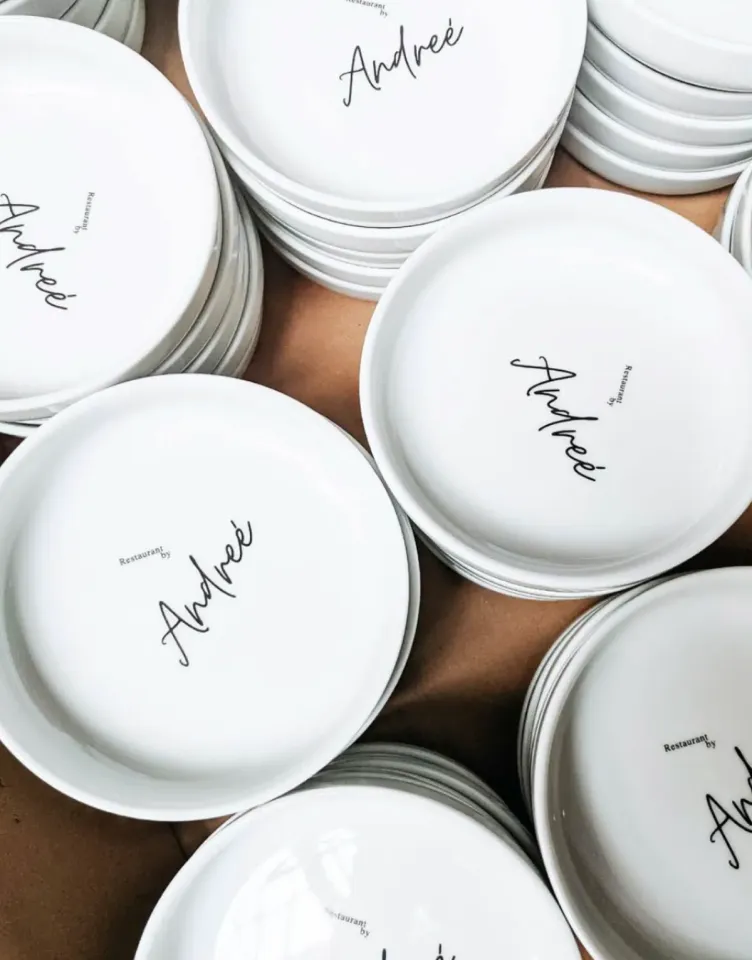
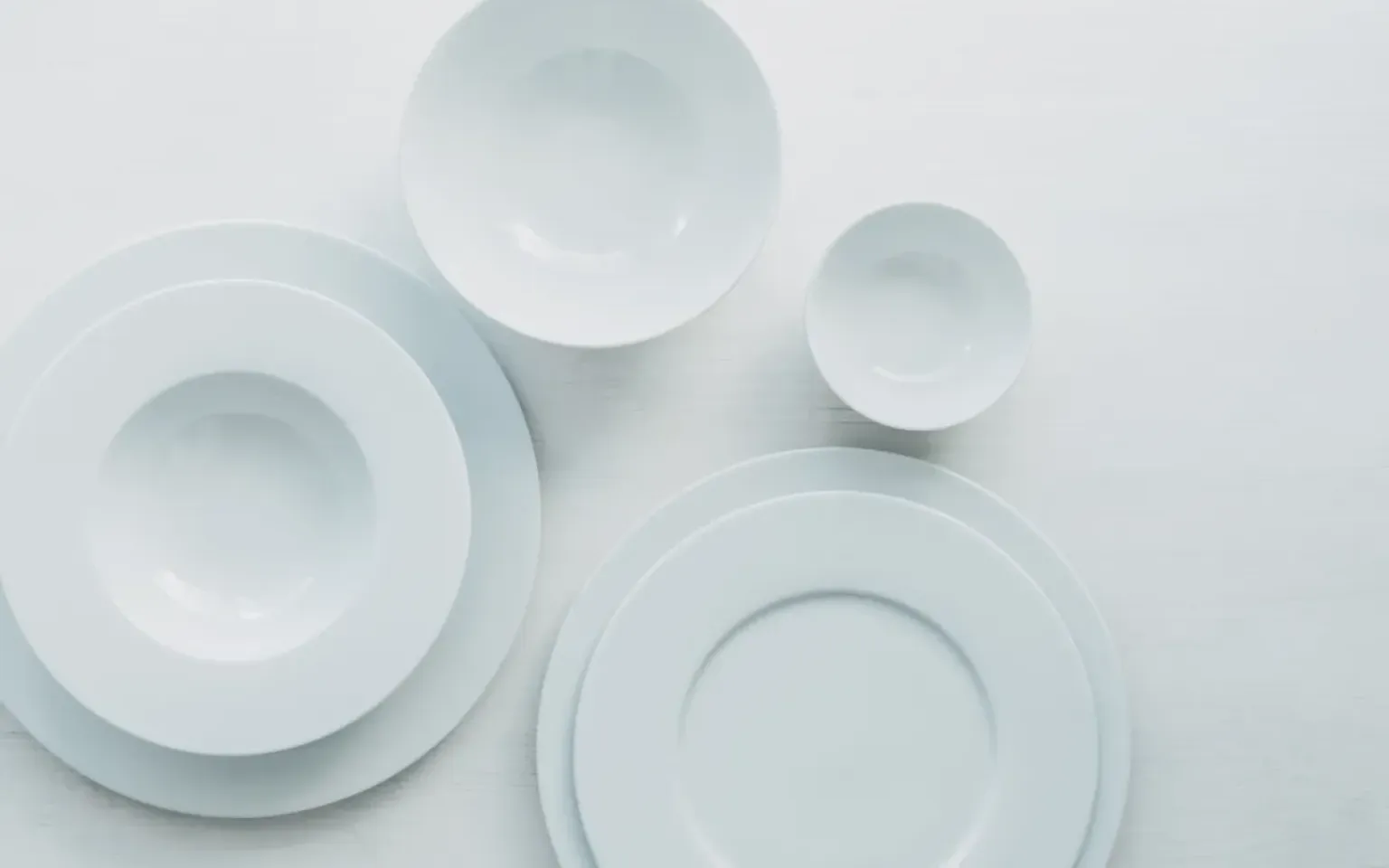
The decoration is applied to the glaze and becomes permanently bonded to it during the final firing. As a result, it retains its color even after repeated washing in professional dishwashers.
The porcelain can be customized to match the establishment's visual identity. Both the logo and custom designs are applied underglaze, ensuring their long-term durability during everyday use.
Hard porcelain is created by combining natural raw materials, which fuse at high temperatures to form a compact and exceptionally durable material. Each component plays a precisely defined role in this process, from strength to the final appearance of the glaze.
Hollow pellets used in the molding of the basic shape of porcelain products.
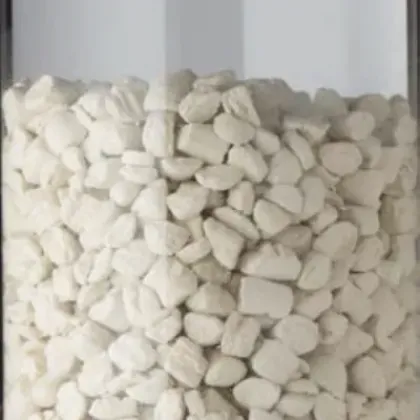
The basic raw material of porcelain, which ensures its strength, dimensional stability, and characteristic white color.
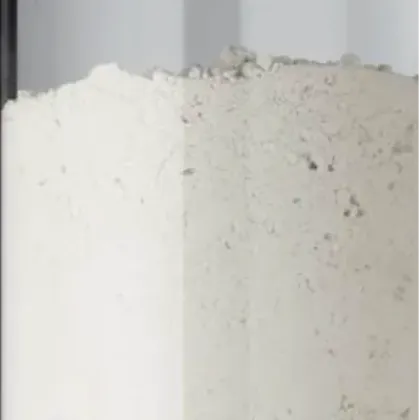
It promotes a smooth surface and contributes to the final sheen of the porcelain.
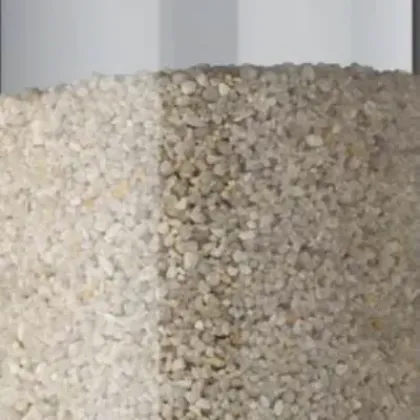
It increases mechanical strength and creates a glassy structure in the glaze.
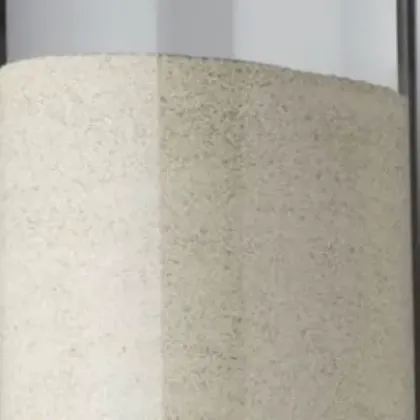
During firing, the individual components of the porcelain body melt and bond together.
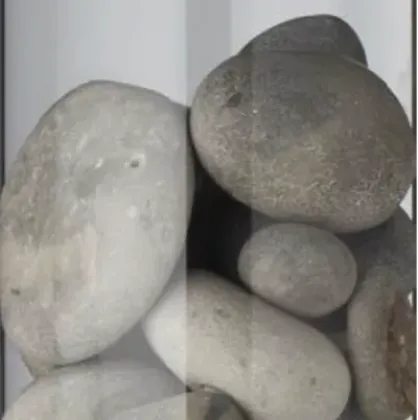
During grinding, they ensure that the mixture has a fine texture and is evenly blended.

Přihlaste se a pokračujte tam, kde jste skončili.
We will email you a sign-in link and a one-time code valid for 15 minutes.
No sign-in method is currently available for this module.
You can use the sign-in link from the same email instead. Using either option invalidates the other.


